Nib #81 Why Young Intellectuals Can't Write
Oftentimes, what makes young writers’ writing so bad is that they themselves are so smart.
Intellectuals tend to see — or think they see — connections between seemingly unrelated phenomena. The smarter someone is, the more likely they are to have a theory about how, say, third-wave feminism or the War on Terror contributed to the popularity of superhero movies in the 21st century. (And much more likely to have to tell you about it!)
When issues like foreign aid, inflation, student loans, and climate change are all closely connected in one’s head, it’s harder to write clearly and concisely about any of them.
This is not to say such connections don’t exist. Business regulations, for instance, change the labor market, which in turn influences marriage rates, which in time will goose or depress demand for amusement parks. Identifying these relationships is useful work.
On the other hand, you can’t explain galaxy-brain esoterica in a 200-word constituent letter about a border wall! Persuasion requires clarity, and clarity requires focus.
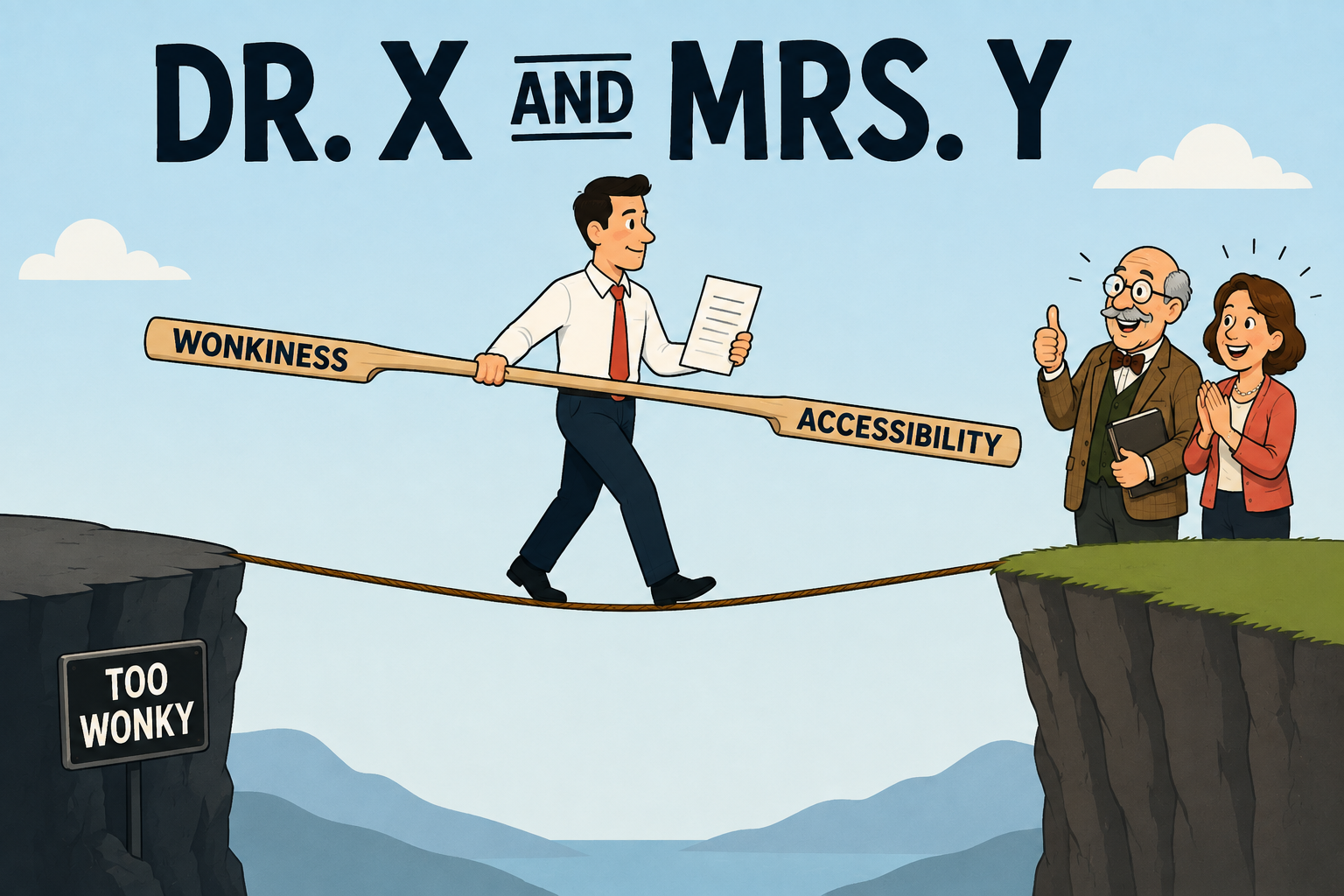
So what are smart, young politicos to do? Embrace the short-form writing young staffers tend to be assigned — constituent correspondence, one-minute speeches, newsletter items, and blog posts. Not as stepping stones, but as important projects in their own right.
Tight word counts don’t stifle a writer’s creativity; they exercise it. The smarter a young staffer is, the more he should challenge himself to simplify his writing.
Whether you’re writing a tweet or a book, the only way to persuade your audience is one issue at a time.
Until next week… keep writing!