Nib #120 Say Something a Little Bit Different

Congressional leaders tend to think of big policy debates as binary affairs — support Bill X or oppose Bill X. If they had their way, every elected official, pundit, or spokesman on their side would repeat the exact same two-sentence talking point. They call this “message discipline.”


Except that’s not what message discipline is. Message discipline is when each spokesman sticks to his or her best message over the course of a debate. It does not mean that 300 different spokesman all parrot the same message.


If Ted Cruz and Susan Collins — or for that matter, Elizabeth Warren — both support something, you don’t want them making the same case for it. You want them making distinct cases tailored to the audiences they can best reach.


Young congressional communicators: don’t work forward from the messaging of the speaker or the committee chairman or that one pundit you like. The people who you’re trying to reach may not trust those guys! Instead, work backwards from your boss’s audience and make the case that will appeal to them.


When it comes to strategic communications, intentionally saying something a little bit different is a lot more effective.


Until next week… keep writing!
November 6, 2026
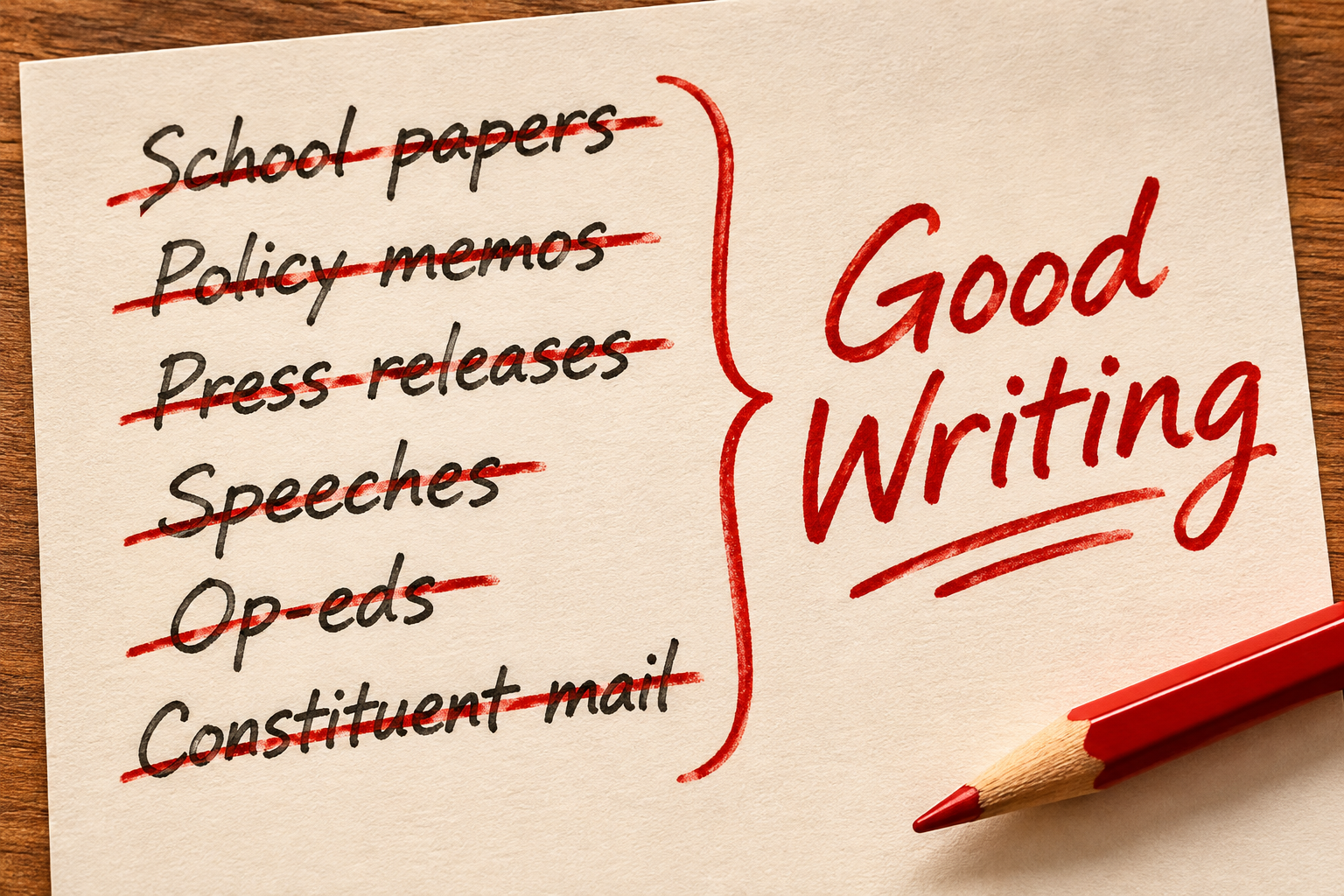
Many young writers labor under the impression that different kinds of writing are governed by fundamentally different principles. They have been told that academic writing is different in kind from professional writing, and that writing policy analysis is different in kind from writing press releases or speeches. This is false. Good writing is good writing. Whether you’re writing poetry or prose, fiction or nonfiction, personally or professionally, the quality of your work will come down to its clarity, concision, and conviction. (Real talk: the idea that academic and analytical writing are fundamentally different is a myth cooked up by academics and analysts to excuse their bad writing.) So don’t try to learn different kinds of writing. There’s only one kind. Get better at that. Discipline yourself to conceive, draft, and edit your work so that every word tells, every sentence sings, and every paragraph lands. Until next week… keep writing!
October 30, 2026
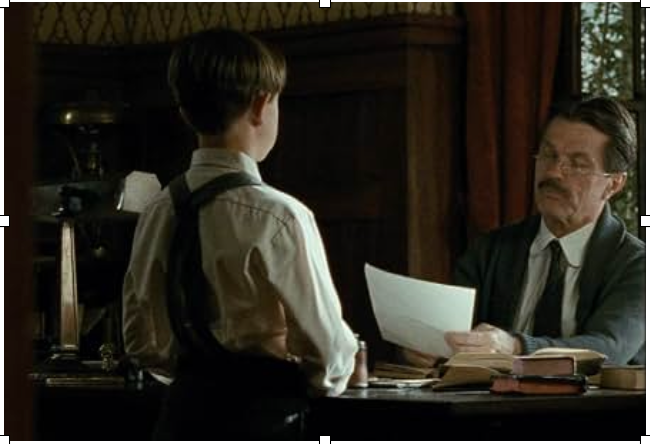
In honor of the great Tom Skerritt, who died last week at 93, this week’s (appropriately brief) Nib celebrates the Nibbiest scene in the history of movies: the “Half As Long” scene from A River Runs Through It. 
October 23, 2026
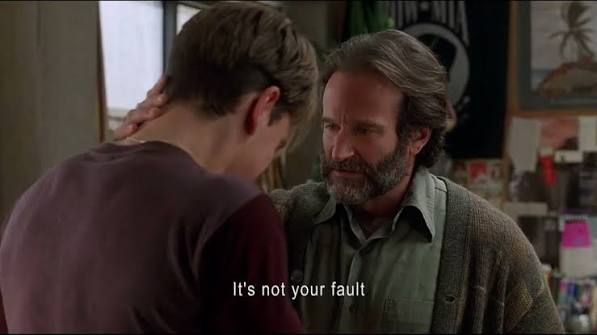
Dangling participles are one of those grammatical faux pas — like comma splices ( Nib #143 ) and the passive voice ( Nib #106 ) — that young writers today have probably heard of, but were never really taught. (Once again, Will, it’s not your fault.)
October 16, 2026
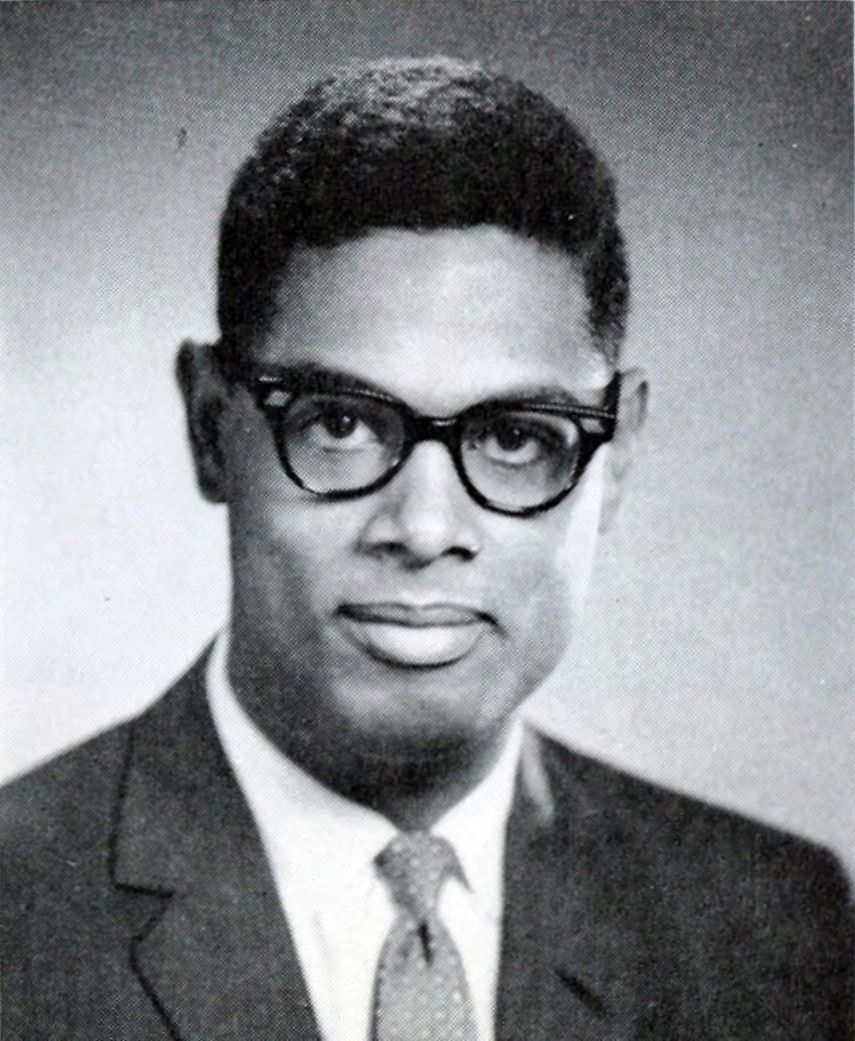
One of the weaknesses of American public discourse these days is that persuasive writers ignore Thomas Sowell's famous observation that, “There are no solutions. There are only trade-offs.” Whether it’s a campaign speech, a sports radio rant, or a policy op-ed, arguments these days tend to be presented as if they are pure upside, win-wins for everyone (or at least everyone who matters). Writing like this, especially in our low-trust culture, is the opposite of persuasive. It’s off-putting and exclusionary. Ignoring contrary opinions does not make them disappear — it makes you boring. By acknowledging the trade-offs attendant to your ideas — banning the Electoral College, firing Dan Quinn, whatever — you get to frame the trade-offs. You can present them in the best light, strengthening your own argument by contrasting it with alternatives. If your argument can’t withstand your own cost-benefit analysis, it’s unlikely to persuade undecided readers, either. Until next week… keep writing!
October 9, 2026
There’s no right way to start a sentence. But there are some wrong ways. One of those is labeling — wheel-spinning introductory phrases like: “In terms of…” “As it relates to…” “With respect to…” Seen in isolation, they don’t seem so bad. But in practice, they’re clunky and unnecessary: “In terms of awards, Tom Cruise has never won a competitive Oscar.” “As it relates to national security, China remains America’s greatest rival.” “With respect to holidays, I prefer Christmas to Thanksgiving.” Look how much cleaner those sentences become without the labels: “Tom Cruise has never won a competitive Oscar.” “China remains America’s greatest national security rival.” “I prefer Christmas to Thanksgiving.” “Omit needless words” is one of the most fundamental bits of writing advice there is. And sentence-opening labels are about as needless as words get. Until next week… keep writing!
October 2, 2026
“No comma splices” is one of those ubiquitous writing tips everyone has heard… but most young writers today don’t understand. (“It’s not your fault, Will. It’s the education system’s.”)
September 25, 2026
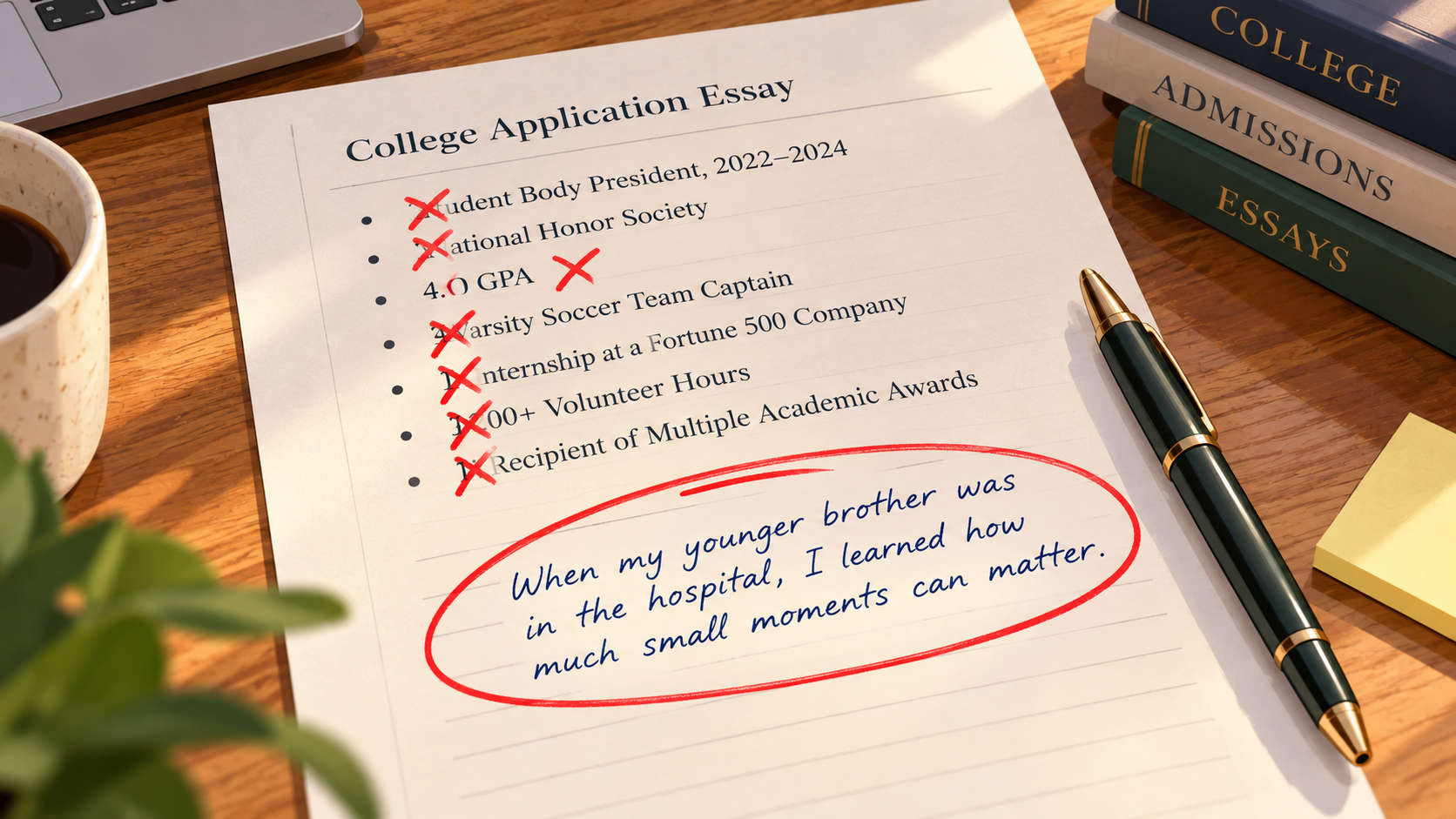
College application season is once again at our throats, and with it, the universal adolescent dread of the Personal Statement. There’s lots of good technical advice about how to do these high-stakes 650-word essays — what to write and what not to write (including Nib #23). But the real secret is not technical; it’s strategic: Don’t use your Personal Statement to try to impress other people. Use it to reveal yourself. Don’t try to write an autobiography in 650 words. You won’t succeed, and 17-year olds don’t have that much to write about anyway. Moreover, don’t rehash “accomplishments” already listed elsewhere on your application. They’re unlikely to be much different from everyone else’s. Instead, write in such a way that readers will know you a little bit. Write about a failure, a dream dashed, a relationship, or a moment — big or small — that taught you some lesson. Think about how you really get to know someone. It’s not their resumé, it’s their spirit, the Truth behind the facts. Write “authentic” — especially when most of your peers will use AI — and “impressive” will take care of itself. Until next week… keep writing!
September 18, 2026
One of the most common questions the Nib gets from young writers is, “What do I do when superiors in my office suggest changes to my drafts that I disagree with?” The answer is very simple: make the changes. But what if they throw off the rhythm? What if they undermine a delicately crafted metaphor? What if they add three sentences and that means 50 words have to be cut somewhere else? Again: make the changes. There are several reasons why. First, they’re your bosses. Do what you’re told. Second, 99% of what we write does not matter — so neither do 99% of suggested edits. Third, and most important, the more obligingly you take people’s edits, the fewer you’ll get. Resist edits, and you’ll get a reputation as a prima donna, whose writing therefore deserves extra scrutiny. Take your superiors’ suggestions, and over time they will trust your writing enough not to nitpick it. Once your reputation is established, you’ll even earn the standing to occasionally push back. Taking edits is good for your soul and your career. Until next week… keep writing!
September 11, 2026
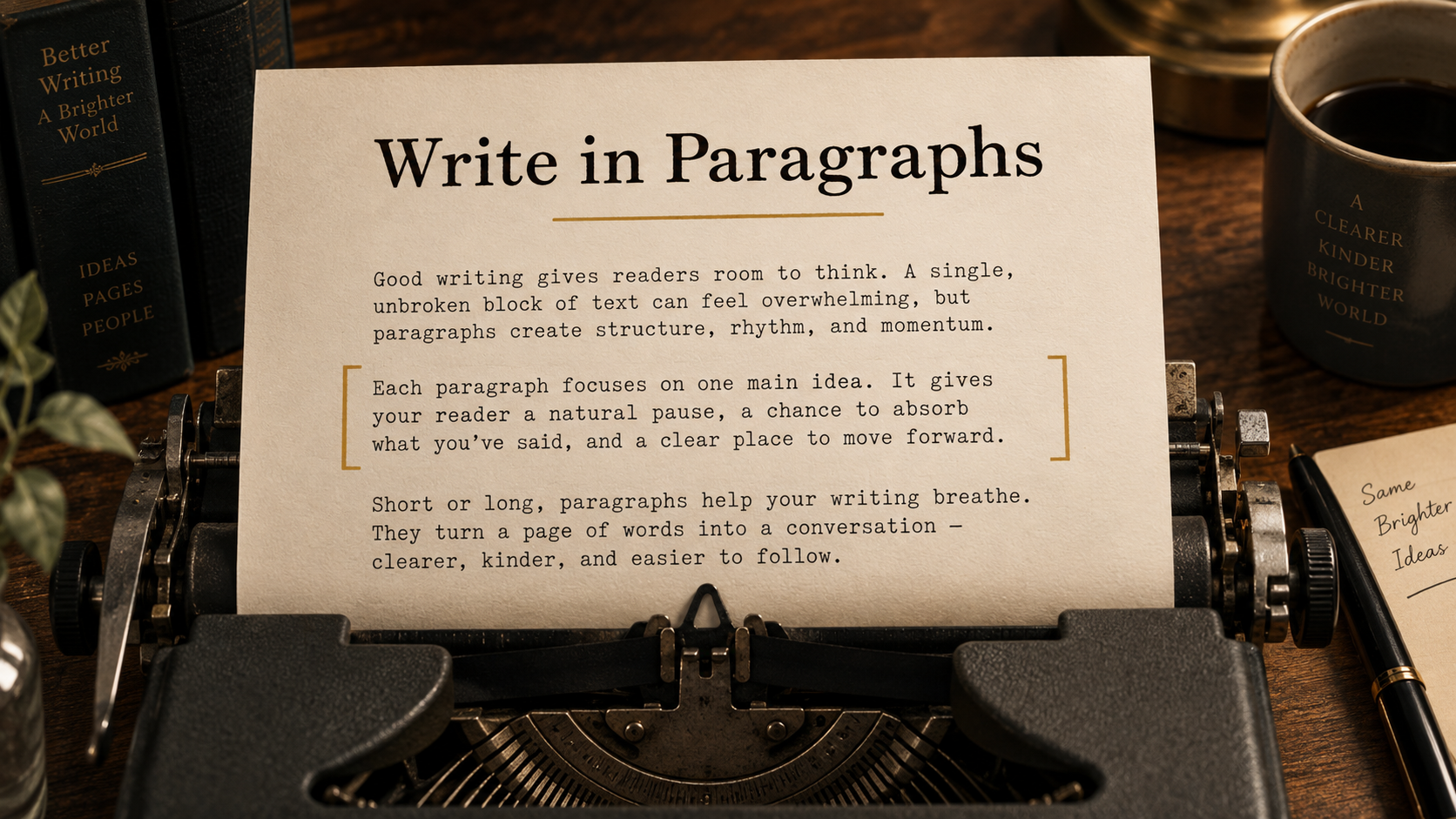
Rule #13 in Strunk & White still holds: “Make the paragraph the unit of composition.”  Don’t think of your writing as a collection of words or even sentences, but paragraphs. Each paragraph should present One Complete Thought — one idea, one step in the story you’re telling or the argument you’re making. Paragraphs signal all this simply by how they look. The line break and indentation tell the reader, We’re done with the previous idea and moving on to a new one. Take advantage of those visual cues as you draft and revise your work. Open paragraphs with some kind of topic sentence to tee up what follows. Close them with a good kicker that polishes off the point or springboards readers into the next paragraph. You can even outline your piece this way — plan one paragraph for each main point in your outline. Readers read in paragraphs, so writers should write in paragraphs too. Until next week… keep writing.
September 4, 2026
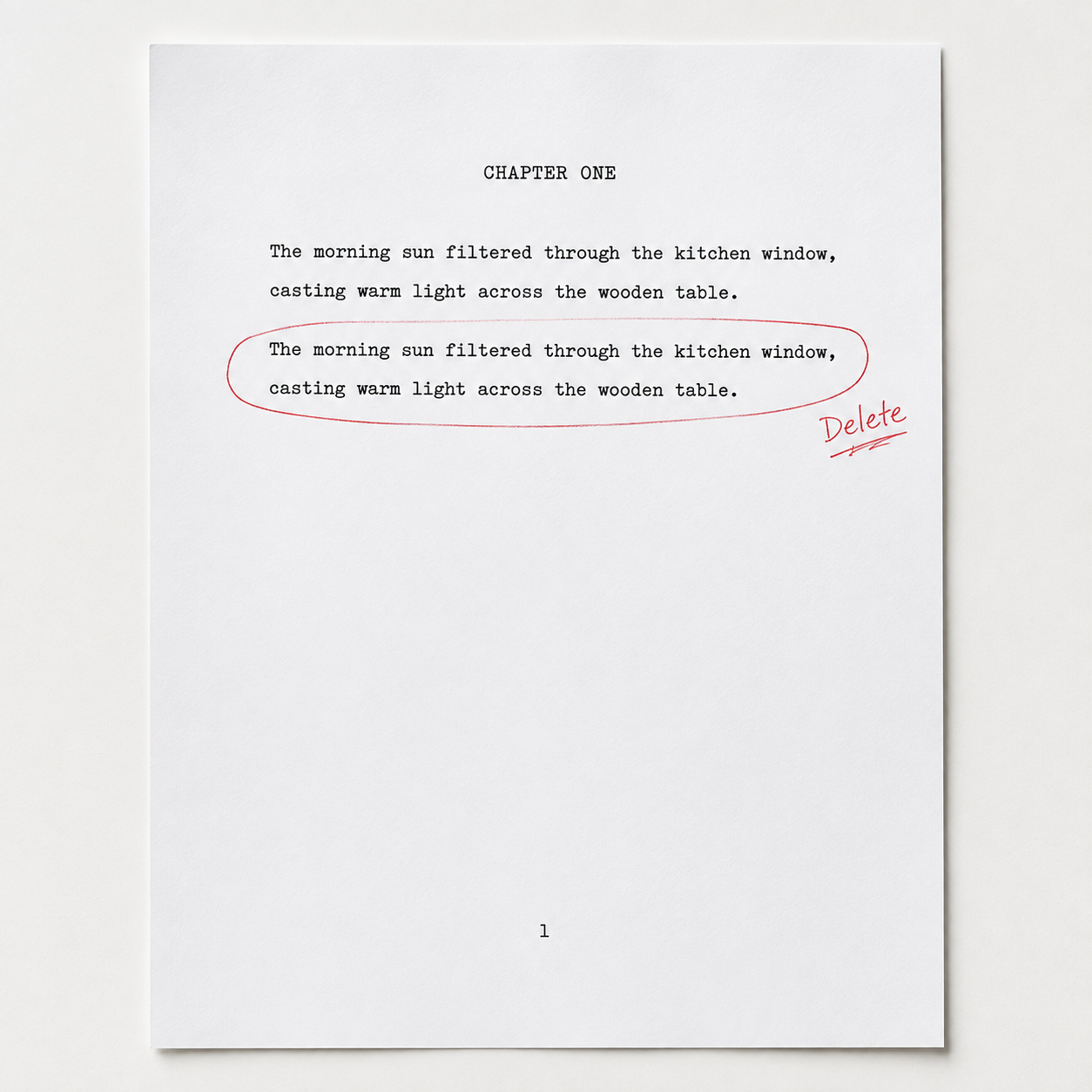
When writing first drafts, writers are usually still working out what we think. One result is duplicate sentences. We unconsciously state the same thought in different ways, often back to back. Just like the two previous sentences! Or consider these examples: This bill will only raise taxes on people making more than $1 million per year. It won’t raise taxes on anyone making less than seven figures. The hotel was farther from the city than we expected. We were surprised by how long it took to get downtown. This kind of repetition is natural in conversation. But good writing doesn’t ask readers to pay for the same real estate twice. When editing your writing, be on the lookout for twin sentences. Pick the one that sounds best, or take the best from each to form a better one, and delete the rest. Until next week… keep writing!